Chapter One
The Story That Was Preparing Me
From the classroom to the conference room
There is a particular kind of question that chooses you before you choose it. For me, that question arrived quietly — in classrooms before I ever researched a single dataset, in early conversations about why some learners thrived with technology and others felt more alone.
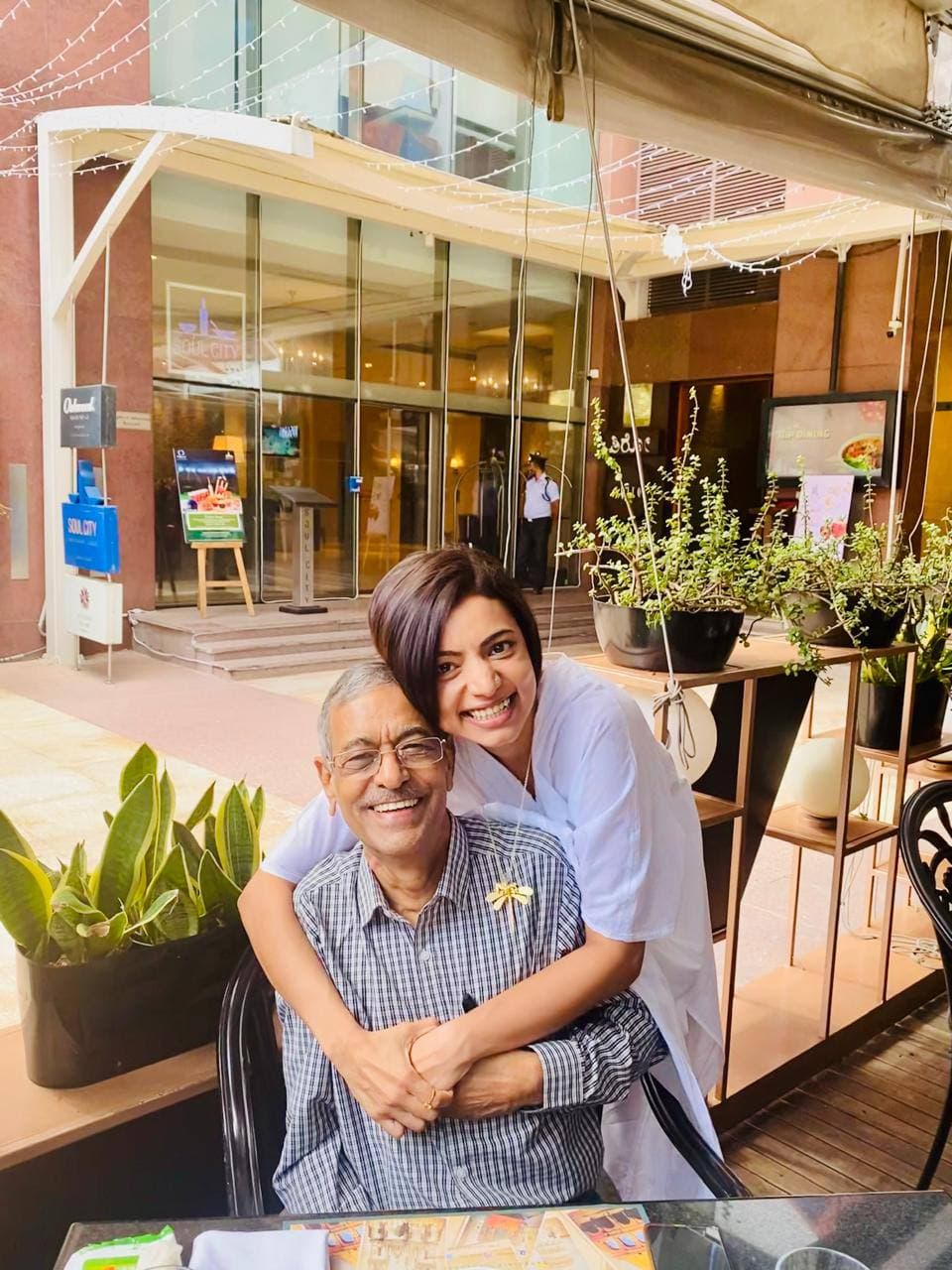
"My father navigated cargo ships across the world's oceans as a merchant navy officer. My grandfather descended into mines as an inspector — a man who understood that keeping people safe in the dark requires knowing exactly where you stand. My mother stood at the front of a classroom and gave children the language to understand their world. My grandmother led an entire school as its principal. I grew up in a family where the sea, the mine shaft, the classroom, and the school office each asked the same thing of the person inside them: serve something larger than yourself."
My father sailed the merchant navy — navigating cargo ships through ports across Asia, Africa, and beyond. My mother taught in a classroom. My grandmother led a school as its principal. Education and service were not values I was handed. They were the water I grew up in. That foundation became the quiet compass of everything that followed.
The years in industry brought urgency. I watched large organisations invest enormously in learning technology and then wonder, quietly, why adoption rates were disappointing and outcomes remained flat. The technology was sophisticated. Something else was missing. That missing thing became my research.
My doctoral journey at Golden Gate University (GGU), San Francisco was the moment when questions became evidence. When intuitions about trust, adoption, and human-centred design were tested against real data, in real organisations, with real people. What the data revealed was both clarifying and humbling: the gap between AI capability and human adoption is almost never technological. It is almost always human.
A Life in Chapters
Doctorate — Where Intuition Became Evidence
Doctoral research at Golden Gate University, through the GGU–upGrad partnership, began at Toscano where my husband, Goutham Balasubramanian, and I had spent years watching hundreds of people grow alongside the organisation. That setting became a 350-person, two-year longitudinal study. Trust, not technology, was the determining variable.
I had the privilege of taking these two stories to the United Nations Global Dialogue on AI Governance in Geneva. There could be no better place to share them than a forum where nations come together to shape the future of AI. India, with its extraordinary diversity of people, languages, cultures, and realities, offers a unique perspective on building AI that is not only innovative, but deeply human. I did not feel I had arrived somewhere. I felt, instead, that the work had finally found the audience it was always meant to reach.